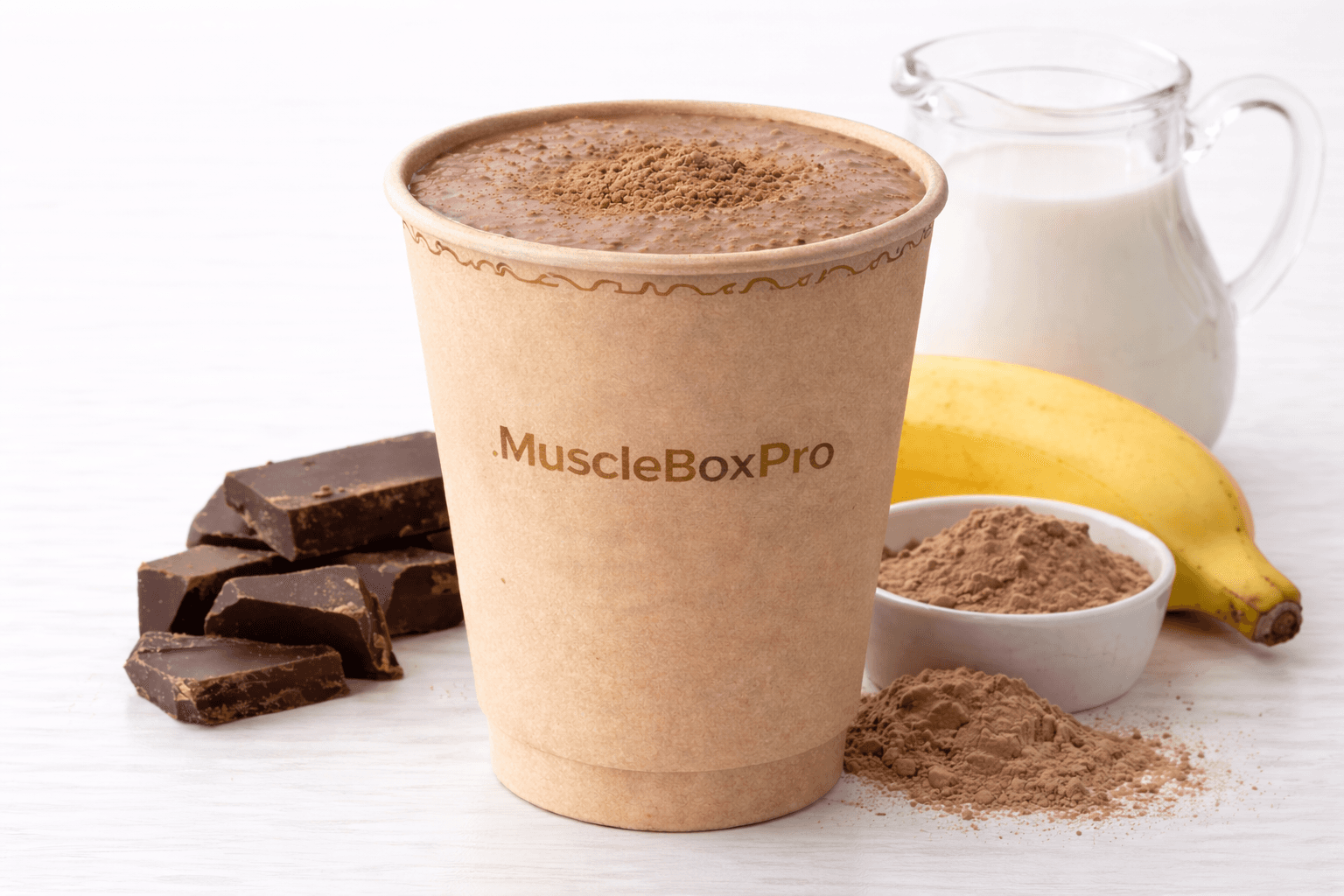
You just crushed a heavy lifting session. Your muscles are fatigued, glycogen stores are depleted, and your body is primed to absorb nutrients. You know you need a protein shake but what's the best option for optimal recovery and muscle growth?
The debate between whey protein and plant-based protein has been going on for years. We're breaking down the science so you can make the right choice, whether you're blending at home or using a gym protein shake machine.
The Heavyweight Champion: Whey Protein
Whey protein, derived from milk during the cheese-making process, has long been the gold standard in bodybuilding and athletic performance. But why is it so effective when dispensed from an automated shake dispenser?
- Rapid Absorption: Whey isolate is digested faster than almost any other protein source, flooding muscles with amino acids within 30 minutes.
- High Leucine Content: Leucine is the primary BCAA responsible for triggering Muscle Protein Synthesis (MPS). Whey is exceptionally high in leucine.
"Research published in the American Journal of Clinical Nutrition demonstrates that whey protein stimulates muscle protein synthesis to a greater degree than other proteins like casein or soy at rest and after resistance exercise." Tang et al., 2009
The Rising Star: Plant-Based Protein
Plant-based proteins (pea, rice, hemp, or a blend) have surged in popularity not just among vegans, but among all athletes looking for dairy-free alternatives that are easier on digestion.
- Easier Digestion: For those with lactose intolerance, plant protein eliminates the bloating often associated with cheap whey concentrates.
- Complete Amino Acid Profiles: High-quality blends combine sources (e.g., pea and rice) to create a profile comparable to whey.
"A 2015 study in the Journal of the International Society of Sports Nutrition found that pea protein yielded similar results to whey protein in promoting muscle thickness during a 12-week resistance training program." Babault et al., 2015
The Verdict: Which is Better?
From a purely biological standpoint, Whey Isolate slightly edges out plant protein due to its faster digestion rate and higher natural leucine content.
However, Plant Protein yields virtually identical long-term muscle-building results, and is the clear winner for anyone with dairy sensitivities.
Timing: When Should You Drink Your Post-Workout Shake?
The concept of the "anabolic window" that narrow period after exercise when your muscles are primed to absorb protein has evolved significantly in sports science over the past decade. Early research suggested you had just 30 minutes. More recent meta-analyses indicate the window is broader, likely 1–2 hours post-workout, though earlier is still better.
The practical implication is clear: consuming protein as soon as possible after your session maximises the muscle protein synthesis (MPS) response. This is exactly why a gym protein shake machine that delivers a fresh shake within 60 seconds of ordering is such a powerful tool it eliminates the gap between the end of your workout and your first gram of protein.
For strength training specifically, the combination of mechanical stimulus (lifting) and amino acid availability creates a synergistic effect on MPS that neither stimulus produces alone. Getting protein in before that window closes is not just beneficial it is physiologically meaningful.
How Much Protein Do You Actually Need Per Serving?
A common mistake is either massively over-dosing (thinking more is always better) or under-dosing and leaving recovery gains on the table. The research on optimal post-workout protein is nuanced but increasingly consistent.
- The leucine threshold: MPS is not triggered by just any amount of protein you need to clear a 'leucine threshold' of approximately 2–3 g of leucine per serving. Most 25–30 g servings of whey isolate achieve this.
- Body weight matters: Larger athletes need more protein per serving. A 90 kg lifter may need 35–40 g post-workout to maximally stimulate MPS, while a 60 kg person achieves the same with 20–25 g.
- Diminishing returns above 40 g: Studies show that consuming more than 40 g in a single post-workout serving produces no additional MPS benefit excess protein is simply oxidised for energy.
Water vs. Milk: Which Base Maximises Recovery?
The liquid you blend your protein with affects both the nutritional profile and the digestion rate of your shake. Neither option is universally "better" it depends on your training goals and timing.
Water-based
- Fastest absorption ideal immediately post-workout
- Fewer total calories suits fat-loss phases
- Lighter on digestion
- Zero added carbohydrates
Milk-based
- Adds whey + casein combo for sustained amino acid release
- Higher calorie and protein content per serving
- Beneficial for muscle gain and hard-gainers
- Better palatability and creamier texture
For most gym-goers focused on muscle gain and recovery, milk provides a meaningful edge. For those watching calories or with lactose sensitivity, water remains the practical choice. MuscleBoxPro machines offer both options, so members can choose what suits their goal on any given day.
What to Avoid in a Post-Workout Protein Shake
Not every protein shake is created equal. Packaged RTD (ready-to-drink) shakes in particular can be deceptive marketed as health products while being loaded with ingredients that undermine your recovery goals.
- ✕Excessive added sugar: Shakes with 15–25 g of added sugar per serving spike blood glucose, promote fat storage, and blunt the fat-oxidation effects of exercise. Look for under 5 g total sugar.
- ✕Whey concentrate as the base: Whey concentrate retains more lactose and fat than isolate, leading to slower absorption and potential digestive discomfort. Premium shakes use whey isolate as the primary protein source.
- ✕Artificial fillers and soy lecithin overload: Many budget shakes bulk up their protein content with cheaper, lower-bioavailability soy protein isolate or add excessive amounts of soy lecithin as a filler.
- ✕Maltodextrin as a first ingredient: Maltodextrin has a glycemic index higher than table sugar it causes rapid glucose spikes with zero nutritional benefit.
Why choose when you can have both?
At MuscleBoxPro, our smart protein kiosks are stocked with premium Whey Isolate and high-quality Vegan Plant blends freshly mixed, perfectly chilled, and ready in 60 seconds via our automated supplement bars.
Frequently Asked Questions
Is whey isolate better than whey concentrate?
Yes, whey isolate undergoes further processing to remove most of the fat and lactose, resulting in a higher protein content per scoop and faster absorption compared to whey concentrate.
Do plant proteins build muscle as effectively as whey?
Yes, studies show that as long as you consume adequate total daily protein and use a blend of plant sources to ensure a complete amino acid profile, plant proteins can build muscle just as effectively as whey.
Do your machines offer both whey and plant options?
Absolutely. MuscleBoxPro automated shake dispensers allow gyms to offer multiple protein types, including premium whey isolate and vegan plant blends.
Fuel your members' recovery
Give your members the post-workout nutrition they deserve while adding a highly profitable revenue stream to your facility.